Curriculum Overview for Gardening Education Programs
Gardening education programs offer structured pathways for aspiring gardeners to learn about planting, care, and sustainable practices. This article provides an overview of common curriculum components found in these programs across the United States, emphasizing the importance of evidence-based practices and realistic expectations.
Understanding the Curriculum Structure
Typically, gardening education programs are designed to cover a range of topics that contribute to a gardener’s success. According to industry experts, an effective curriculum often includes:
- Botany Basics: Understanding plant biology, including photosynthesis and plant anatomy, which forms the foundation for effective gardening.
- Soil Science: Learning about soil composition, pH levels, and nutrient management is crucial. Research indicates that healthy soil can increase plant productivity by 20-30%.
- Plant Care Techniques: Instruction on watering, pruning, and pest management, which are essential skills for maintaining a thriving garden.
"Gardening education not only enhances one's knowledge but also fosters a deeper connection with nature, promoting sustainability." - Horticultural Expert
Hands-On Learning Opportunities
A significant aspect of gardening education is the hands-on experience that programs typically provide. Engaging in practical activities allows participants to apply theoretical knowledge. Many programs include:
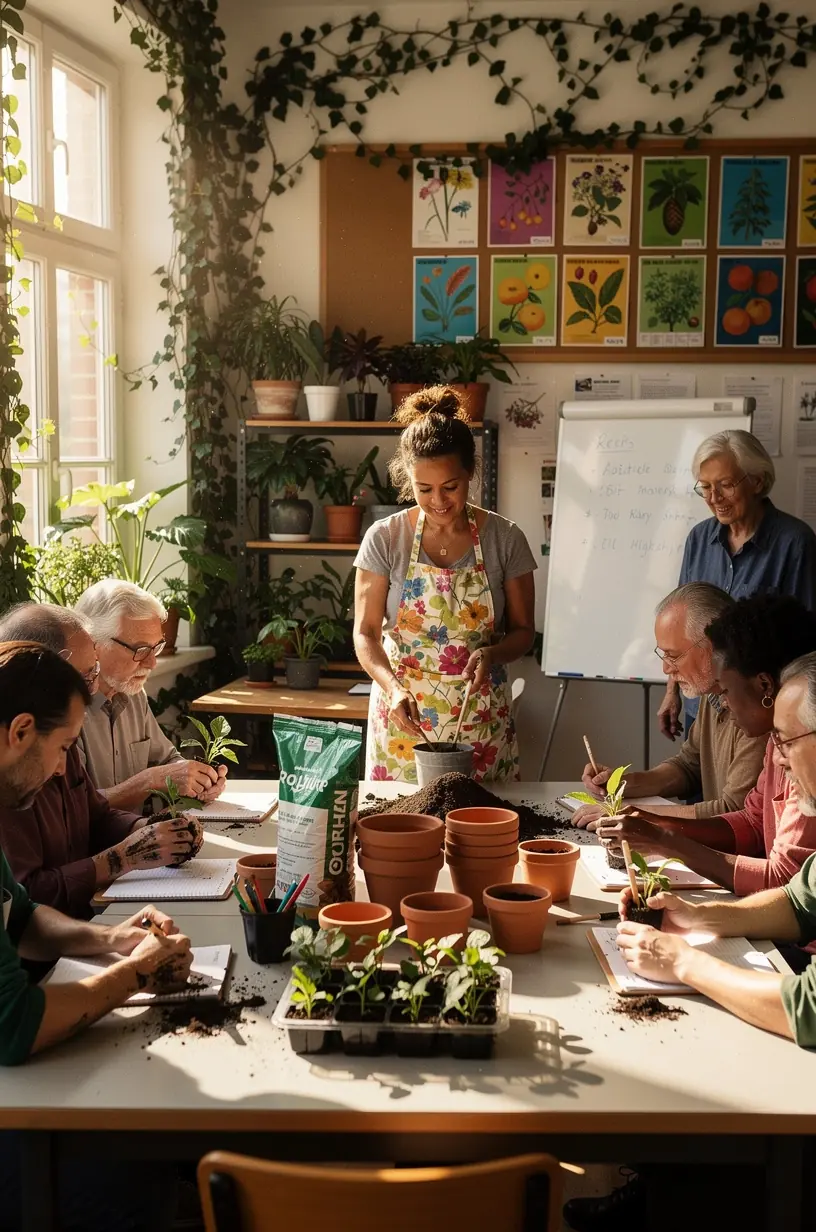
- Workshops: Interactive sessions where participants can practice skills in real gardening scenarios.
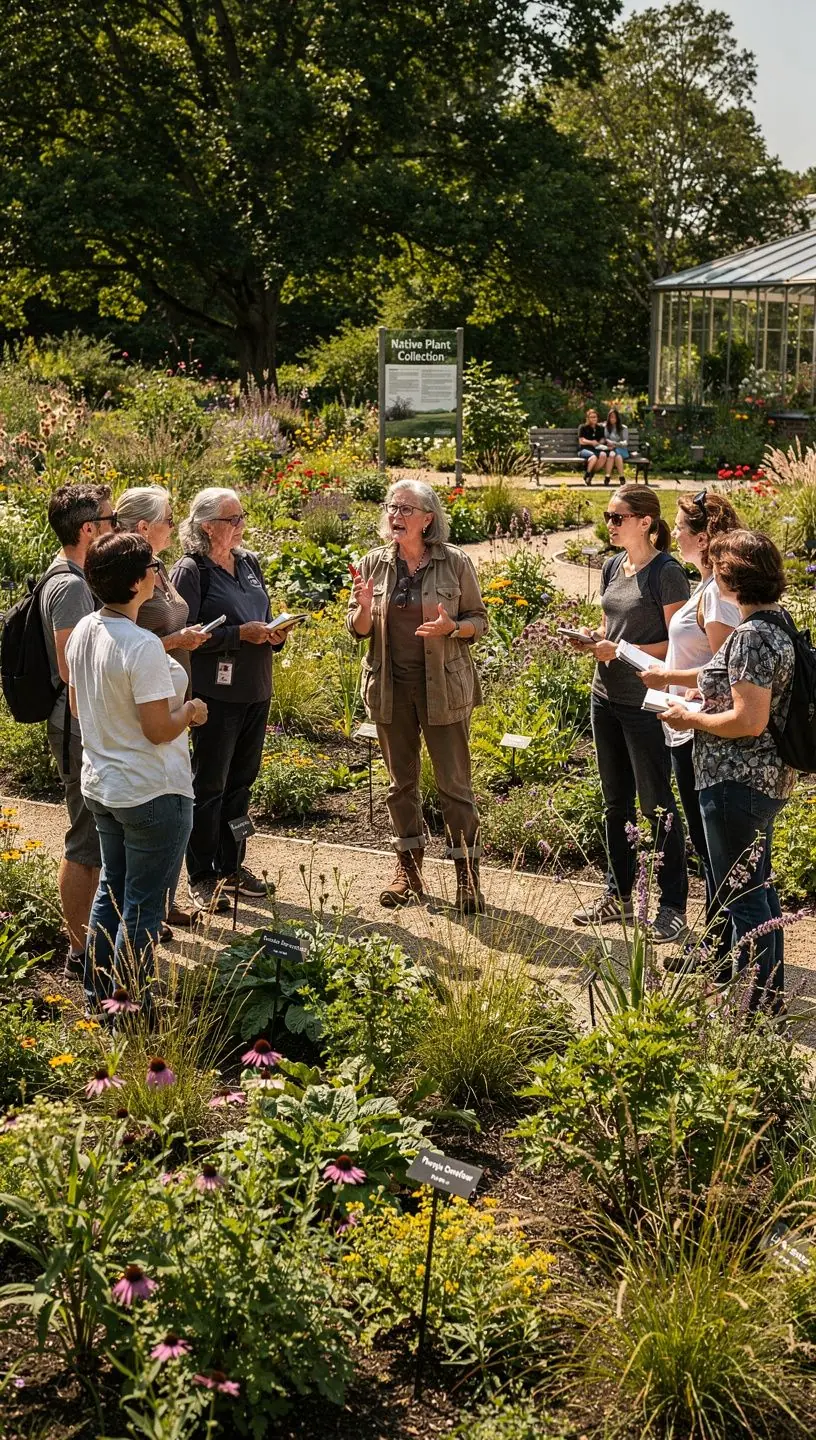
- Field Trips: Visiting local farms or botanical gardens to observe and learn about various horticultural practices.
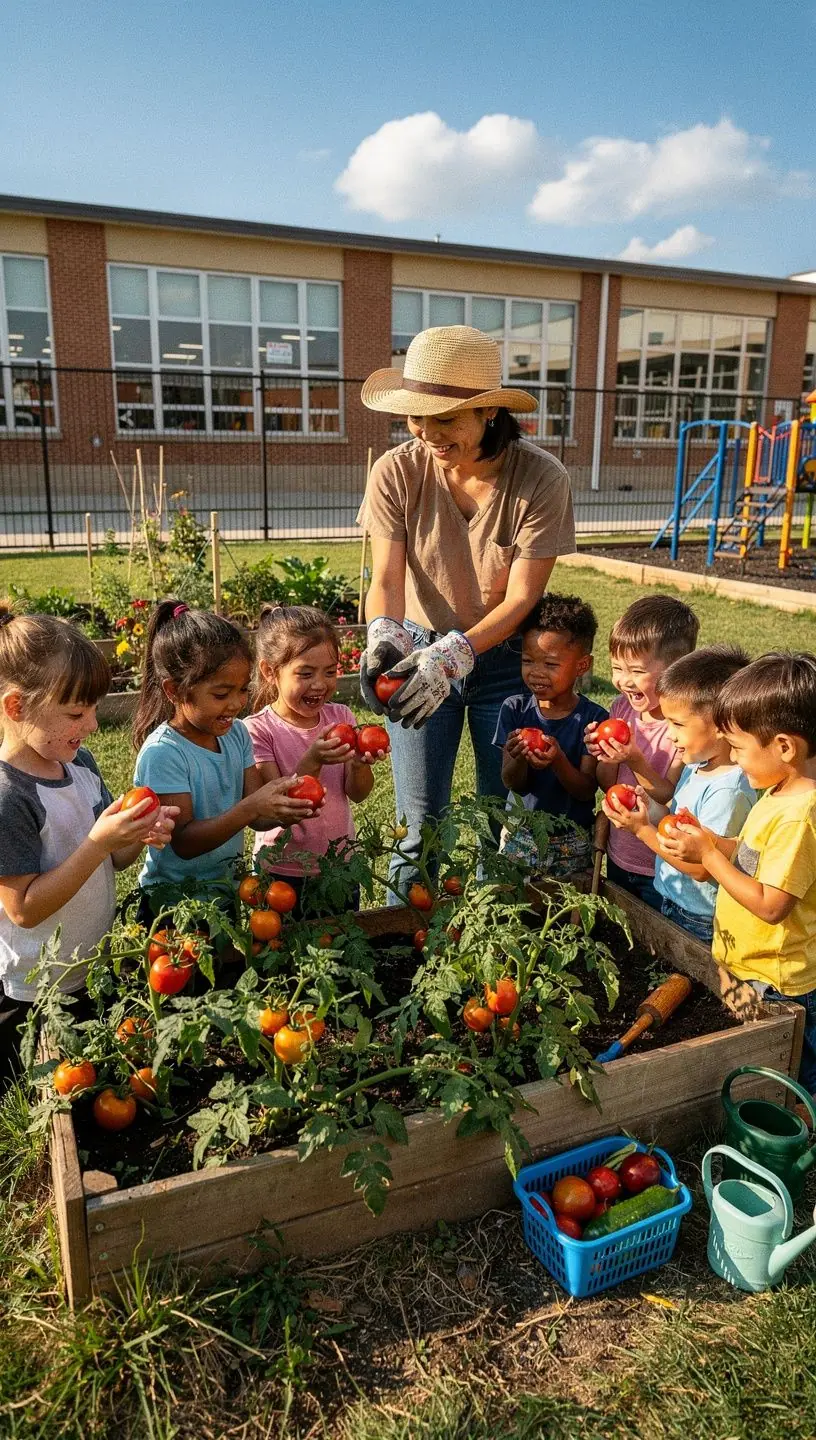
- Community Projects: Collaborating on community gardens, which not only benefits local environments but also reinforces teamwork and practical skills.
Duration and Commitment
Most gardening education programs require a time commitment of several weeks to months, depending on the depth of the curriculum. Typically, participants can expect:
- A structured program lasting anywhere from 6 to 12 weeks, with sessions held weekly.
- To invest a few hours each week for studying and practical application, which may involve attending workshops or working in gardens.
- A learning curve that varies based on prior knowledge; individuals with some gardening experience may find certain topics easier to grasp.
Conclusion
Gardening education programs provide invaluable resources for both novice and experienced gardeners. By focusing on structured curricula that combine theoretical knowledge with practical experience, these programs can significantly enhance participants' understanding and skills. As research and expert recommendations show, investing time in gardening education is a reliable way to foster sustainable practices and achieve successful gardening outcomes.
Learn More