How to Design a Year-Round Garden Plan
Creating a year-round garden plan can enhance your gardening experience and provide fresh produce throughout the seasons. This article outlines practical steps and considerations to help you design a sustainable garden that thrives in diverse conditions.
Understanding Seasonal Gardening
Successful gardening depends on understanding the local climate, soil conditions, and plant varieties. According to the USDA Plant Hardiness Zone Map, gardening practices often vary widely across the United States, with different zones supporting distinct types of plants. It's crucial to assess your zone to select suitable plants that will flourish in your garden.
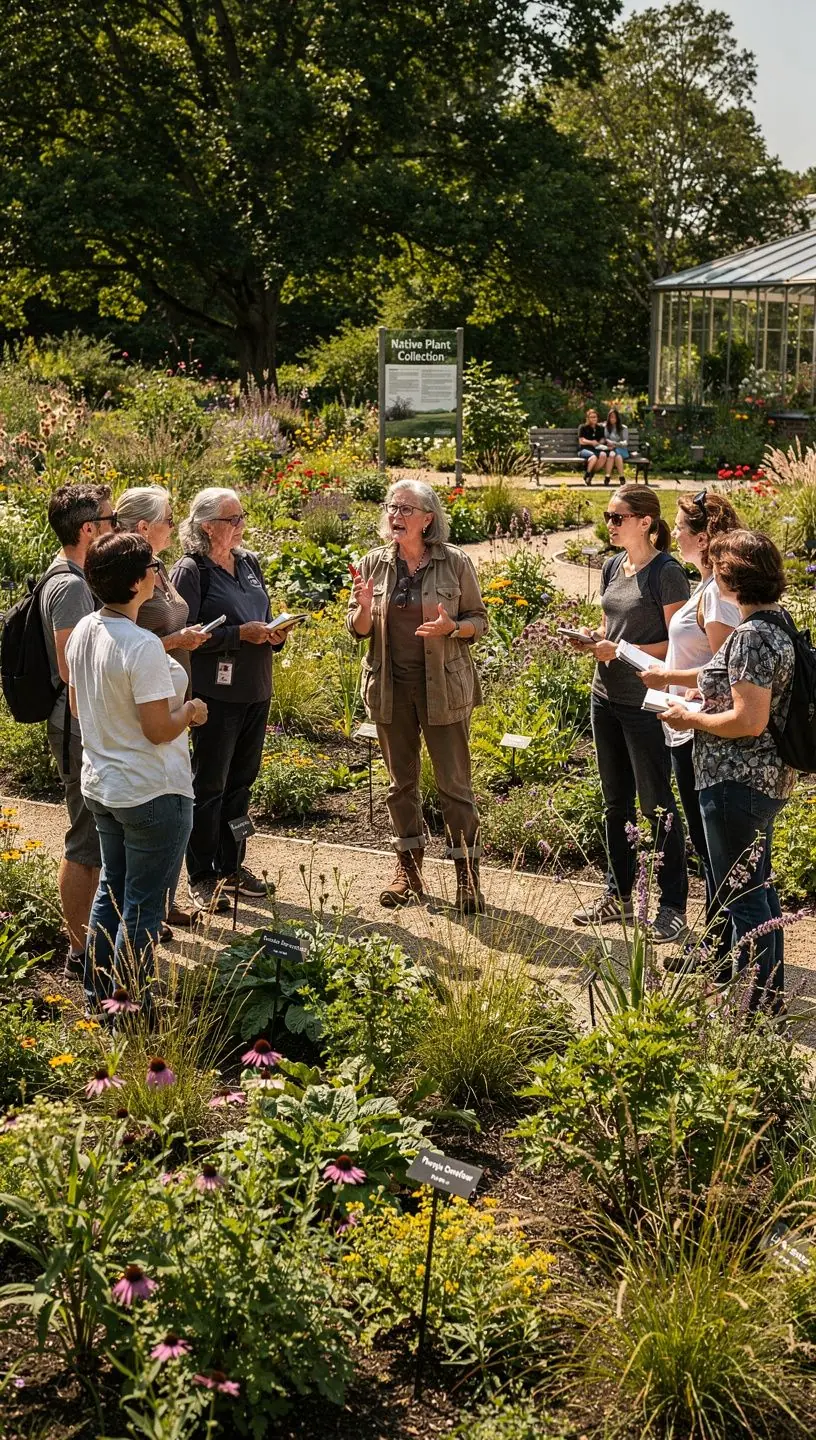
"Experts recommend researching local climate conditions as they directly influence plant growth and health."
Steps to Create Your Year-Round Garden Plan
- Assess Your Space: Begin by evaluating the available garden space. Consider factors such as sunlight exposure, drainage, and existing soil conditions. This assessment is essential because different plants have varying requirements. The National Gardening Association suggests performing a soil test to determine pH and nutrient levels, which can inform your plant choices.
- Select Appropriate Plants: Choose a mix of perennials, annuals, and vegetables that are suitable for your hardiness zone. Research indicates that incorporating a variety of plants can enhance biodiversity and resilience in your garden. Many users report that combining native plants with traditional garden species helps maintain a balanced ecosystem.
- Plan for Seasonal Changes: A well-structured garden plan should include seasonal planting schedules. For instance, cool-season crops like lettuce and peas can be planted in early spring, while warm-season crops like tomatoes and peppers thrive in late spring. Experts recommend staggering planting dates to maximize yield and ensure there’s produce available throughout the year.
- Implement Care Strategies: Regular maintenance is crucial in a year-round garden. This includes watering, weeding, and mulching. Research shows that a consistent watering schedule can improve plant health and reduce stress. Additionally, mulching can help retain moisture and suppress weeds, making it a reliable practice for many gardeners.
- Plan for Crop Rotation: Crop rotation helps prevent soil depletion and pest buildup. Many experienced gardeners suggest rotating crops every season to maintain soil health. This method may improve yields by as much as 20-30%, according to agricultural studies.
Challenges to Consider
While planning your garden, it’s essential to recognize potential challenges. For instance, maintaining a year-round garden requires a commitment of time and effort, often needing regular monitoring and adjustments. Additionally, some plants may not thrive in extreme weather conditions. Experts typically advise preparing for these challenges by having protective measures in place, such as row covers or shade cloths.
Conclusion
Designing a year-round garden plan can be a rewarding endeavor that promotes sustainability and biodiversity. By assessing your space, selecting appropriate plants, and planning for seasonal changes, you can create a thriving garden. Remember to set realistic expectations regarding the time and effort required. With dedication and mindfulness, your garden can provide fresh produce and joy throughout the year.