Guidelines for Successful Transplanting Methods
Transplanting can be a critical step in the gardening process, affecting plant health and productivity. This article provides practical guidelines and insights into effective transplanting methods to help ensure a successful gardening experience.
Understanding the Basics of Transplanting
Transplanting involves moving a plant from one location to another, often from a nursery pot to the garden. This process is essential as it can improve plant growth when done correctly. According to research, proper transplanting methods can lead to a 20-30% increase in plant survival rates. This improvement is typically due to the reduction of transplant shock, which occurs when a plant is uprooted and placed in a new environment.
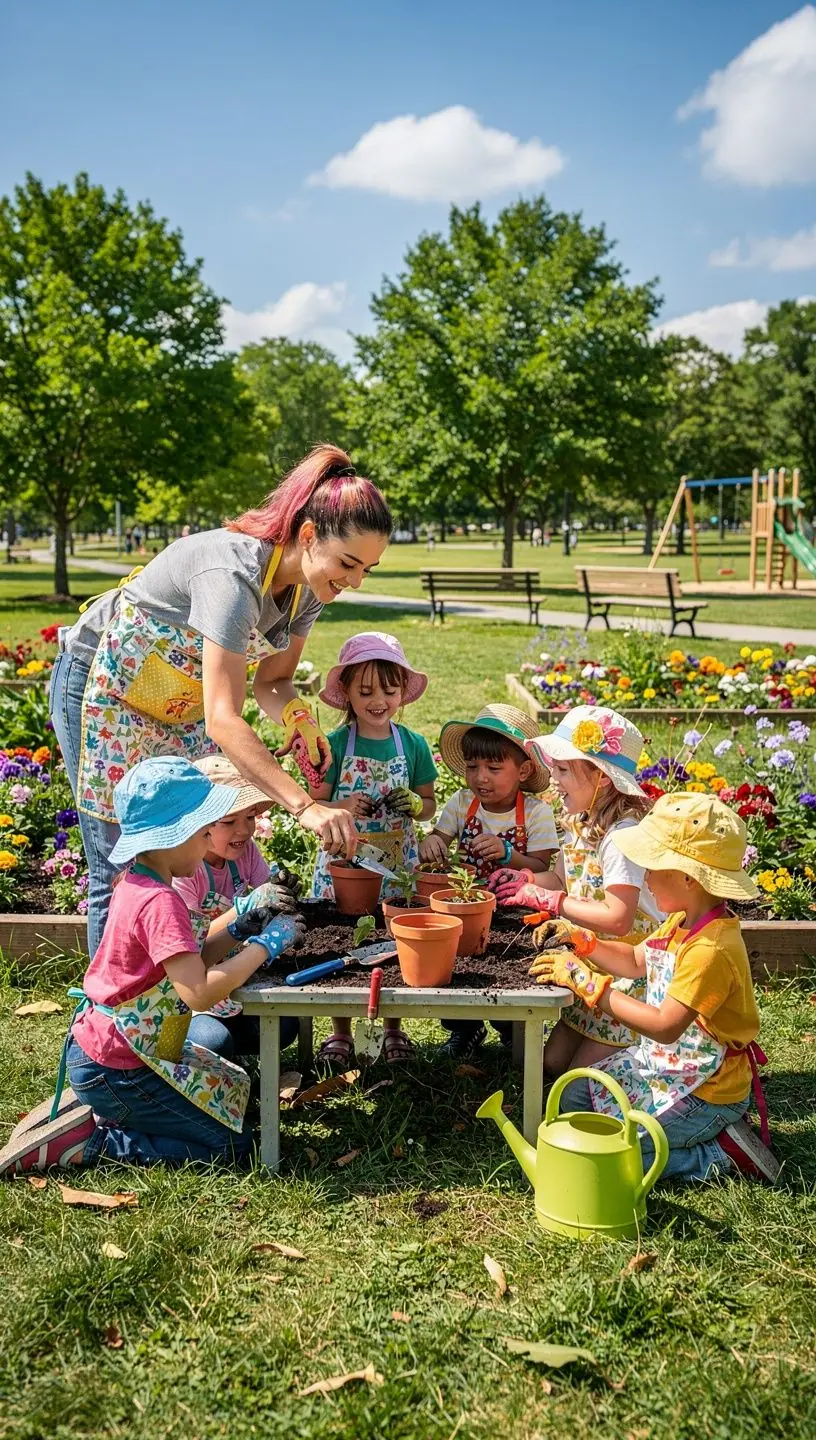
"Experts recommend that proper timing and technique are critical factors in reducing transplant shock and promoting healthy growth."
When to Transplant
Timing is crucial in the transplanting process. Most professionals suggest transplanting in the early morning or late afternoon when temperatures are cooler. This approach can help minimize stress on the plants. In most cases, the best time to transplant is during the plant's dormant season, which is typically early spring or fall.
Steps for Successful Transplanting
- Preparation: Before transplanting, ensure the new location is suitable for the plant species being moved. This involves considering sunlight, soil type, and moisture levels.
- Watering: Water the plant thoroughly a day before transplanting. This allows the roots to absorb moisture and reduces shock during the move.
- Digging: Carefully dig around the plant to preserve as much of the root system as possible. A good rule of thumb is to dig a hole that is at least twice the size of the root ball.
- Transplanting: Place the plant in the new location at the same depth it was growing previously. Fill in the gaps with soil and gently press down to eliminate air pockets.
- Post-Transplant Care: Water the transplanted plant thoroughly after placing it in the new location. Monitor the plant for signs of stress and provide additional water as needed.
Acknowledging Limitations
While these guidelines can help, it's important to acknowledge that transplanting is not without its challenges. The process typically takes a few weeks for plants to adjust to their new environment, and some may experience mild stress. Additionally, certain species may not tolerate transplanting well. This method works best for hardy plants but may not be ideal for delicate varieties.
Conclusion
Successfully transplanting plants requires knowledge and attention to detail. By following these guidelines, you can significantly improve your chances of achieving healthy, thriving plants. Remember, a well-planned transplanting process not only benefits your garden but also enhances your overall gardening experience.