Exploring Native Plant Species for Your Area
As gardening enthusiasts increasingly turn towards sustainability, understanding native plant species has become essential. These plants not only thrive in local conditions but also support the ecosystem. This article delves into the benefits of incorporating native plants into your garden and provides practical tips for selecting and caring for them.
Understanding Native Plants
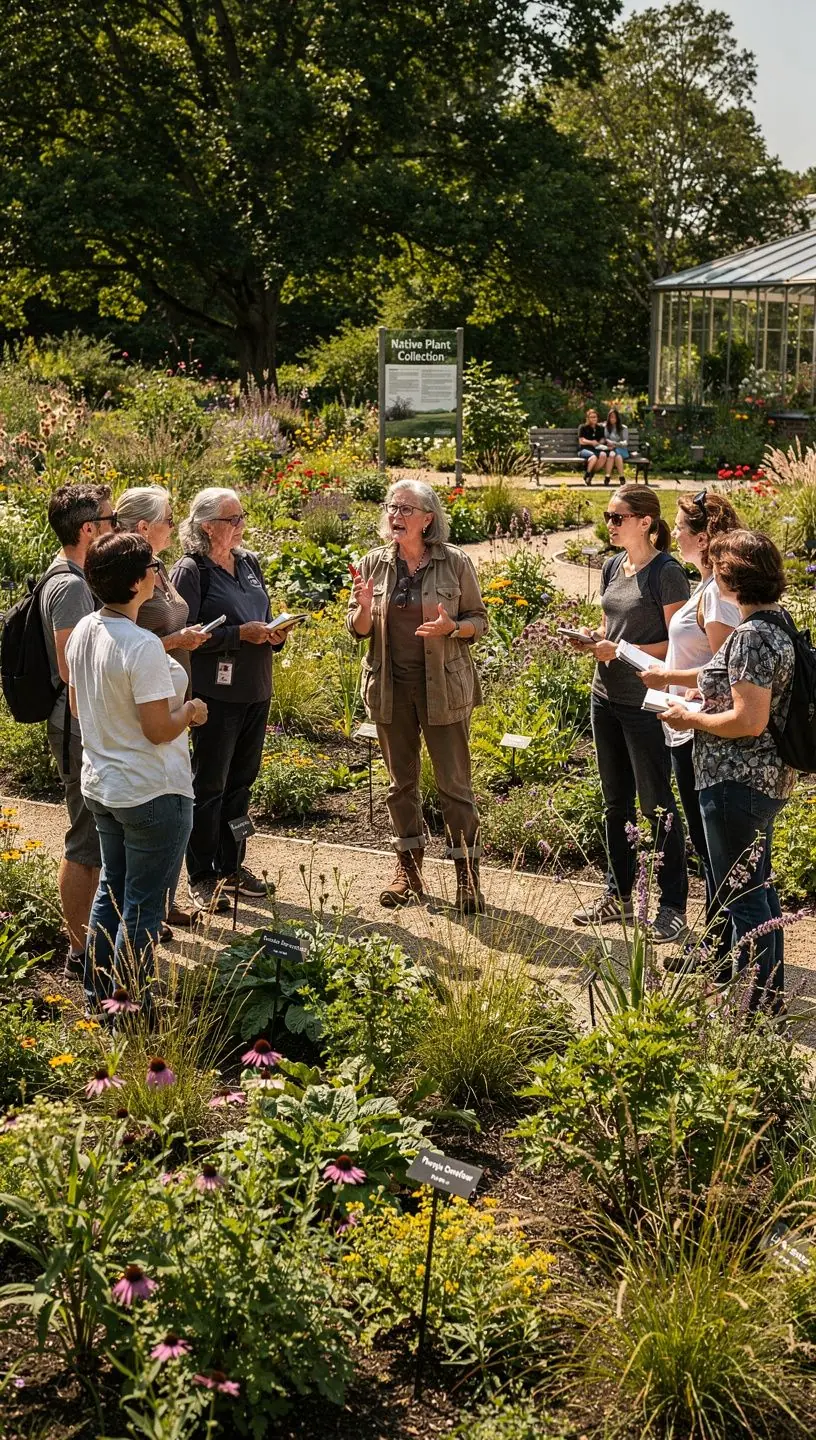
Native plants are those that have evolved in a specific region and are adapted to the local climate, soil type, and wildlife. According to experts from the National Wildlife Federation, using native plants can significantly enhance local biodiversity and reduce the need for chemical fertilizers and pesticides, as these plants are better adapted to resist local pests and diseases.
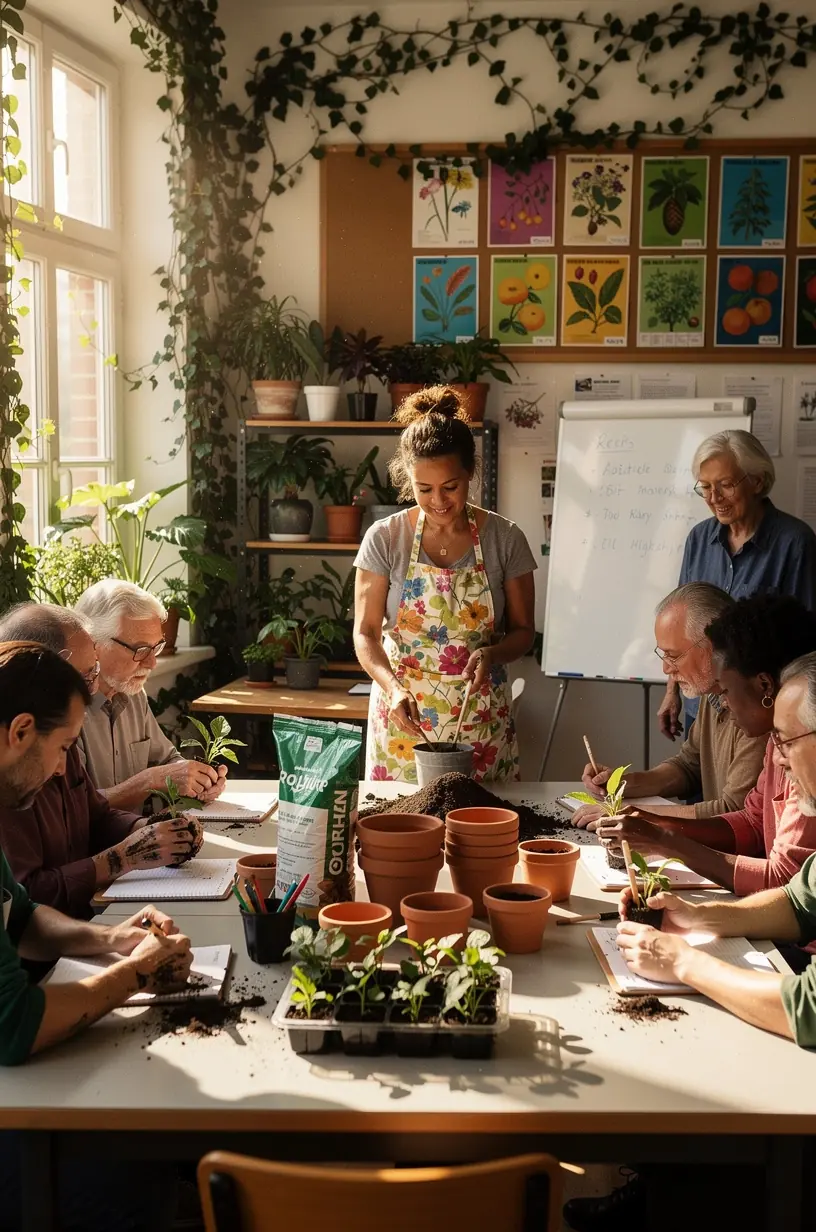
"Choosing native plants can make gardening easier and more rewarding, as they require less maintenance and are more resilient to local conditions." - Gardening Expert
Benefits of Native Plants
- Environmental Impact: Native plants support local wildlife, including pollinators like bees and butterflies. Research shows that gardens featuring native species can increase pollinator populations by up to 50%.
- Water Conservation: Many native plants are drought-resistant and require less water once established. This makes them an effective choice for regions experiencing water scarcity.
- Low Maintenance: Typically, native plants require less upkeep than non-native species. This can save gardeners time and effort over the growing season.
Selecting the Right Native Plants
When choosing native plants, consider factors such as your local climate, soil type, and garden conditions. The USDA Plant Database is a valuable resource that provides information on plants native to different regions. Here are some guidelines to help you choose:
- Research Local Flora: Identify plants that are native to your specific area. Many local extension services offer resources and plant lists tailored to regional conditions.
- Plan for Diversity: Incorporate a variety of species to promote a balanced ecosystem. Including plants that bloom at different times can also provide year-round interest and support wildlife.
- Consult Experts: Speak with local horticulturists or gardening groups focused on native species. They can offer insights into the best plants for your area and how to care for them effectively.
Care and Maintenance of Native Plants
While native plants are generally easier to care for, they still require attention during the establishment phase. This typically takes 1-2 growing seasons. Here are some care tips:
- Watering: Regular watering is crucial for the first few weeks after planting. Once established, many native plants can survive with minimal additional water.
- Mulching: Applying organic mulch can help retain moisture and suppress weeds during the early stages of growth.
- Monitoring: Keep an eye out for invasive species that may compete with your native plants. Early intervention is key to preventing these competitors from taking over.
Conclusion
Incorporating native plants into your garden can lead to a more sustainable and rewarding gardening experience. By selecting the right species and providing appropriate care, you can create a thriving garden that supports local ecosystems. Remember, the journey to a native plant garden typically involves learning and patience, but the environmental benefits and beauty of these plants are worth the effort.
Learn More