Understanding Seasonal Planting Techniques
Seasonal gardening offers a dynamic approach to cultivating plants that thrive in specific times of the year. By understanding seasonal planting techniques, gardeners can enhance their yield and plant health, ensuring a more productive garden throughout the year.
Understanding the Basics
Seasonal planting involves aligning your gardening efforts with the natural growing cycles of plants. According to research from the American Society of Horticultural Science, understanding local climate conditions and seasonal changes can help gardeners select the right plants for their environment. This practice not only promotes healthy growth but can also significantly improve productivity. For instance, studies show that planting vegetables in their optimal season can increase yields by as much as 30% compared to off-season planting.
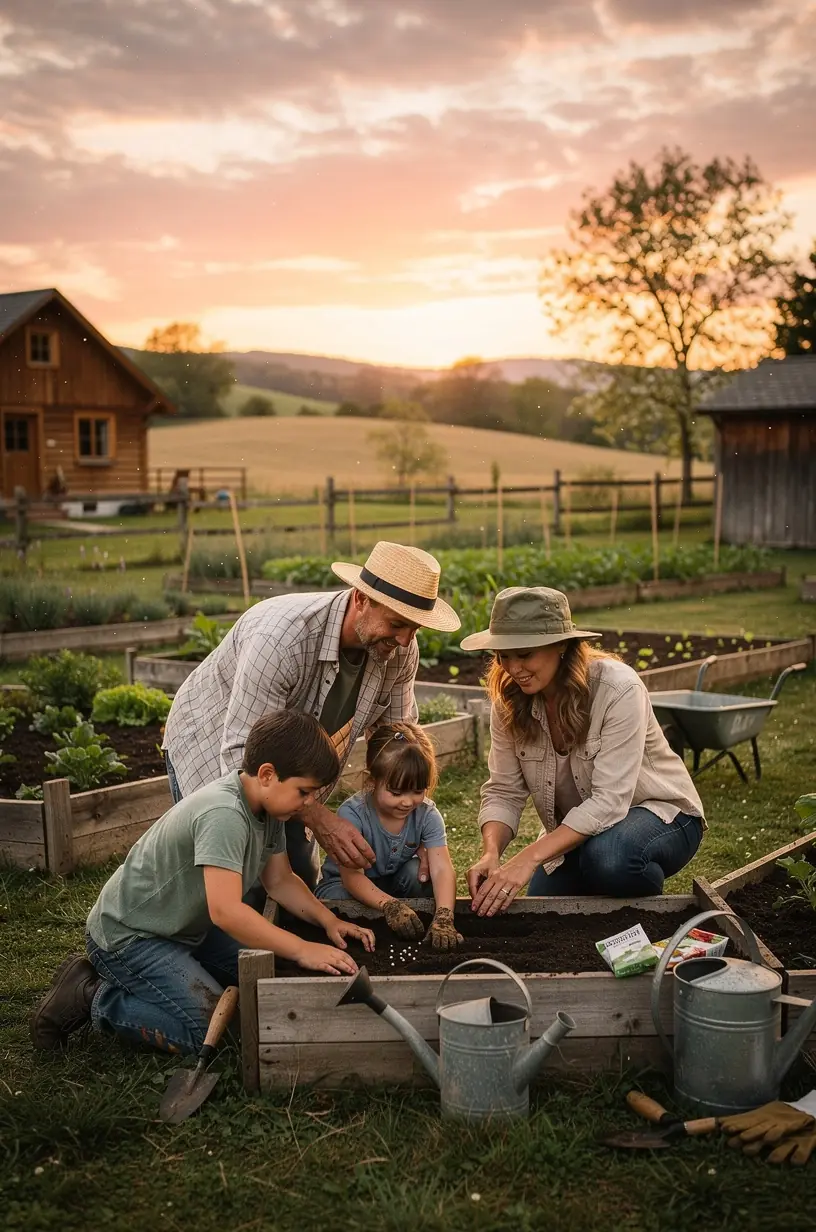
"Aligning your planting schedule with seasonal changes is a proven method to enhance plant health and productivity." - Expert Gardener Insights
Key Seasonal Techniques
Many users report success with the following seasonal techniques:
- Spring Planting: This is typically the most active time for gardeners. Cool-season crops such as lettuce, spinach, and peas can be planted as soon as the soil is workable, often in early spring. Research suggests that these crops thrive in cooler temperatures, maximizing their growth potential.
- Summer Care: As temperatures rise, it's important to maintain soil moisture and apply mulch to protect roots. Experts recommend deep watering during the hottest parts of the day to avoid evaporation, which can stress plants.
- Fall Harvesting: As the season transitions, it's essential to plan for fall crops. Many gardeners find that planting varieties such as kale and carrots can yield impressive results as these plants often sweeten with cooler temperatures.
Practical Application
To effectively implement seasonal planting techniques, consider the following steps:
- Research Local Climate: Understanding your USDA hardiness zone can guide your plant selection. This information helps you choose varieties that are likely to thrive in your local environment.
- Create a Planting Calendar: Develop a calendar that outlines when to plant, care for, and harvest your crops. This may involve tracking frost dates and seasonal weather patterns, which can typically take a few hours to establish.
- Engage in Continuous Learning: Seasonal gardening involves ongoing education. Many gardeners find that joining local gardening clubs or taking seasonal gardening classes can provide valuable insights and foster a supportive community.
Acknowledging Limitations
While seasonal planting techniques can offer many benefits, they are not without challenges. For instance, depending on your location, the growing season may be shorter or longer, which could affect your choices. Additionally, some plants may require specific soil conditions or care that might not be feasible in every garden.
Conclusion
Understanding seasonal planting techniques can significantly impact your gardening success. By aligning your planting practices with natural cycles, you can improve plant health and yield. Remember to research your local climate, create a planting calendar, and engage in continuous learning to adapt your techniques. While gardening requires dedication and effort, the rewards of a well-tended garden are often worth the investment.
Learn More